Rainwater insights
Is Rainwater Safe to Drink in Texas?
Published February 11, 2026
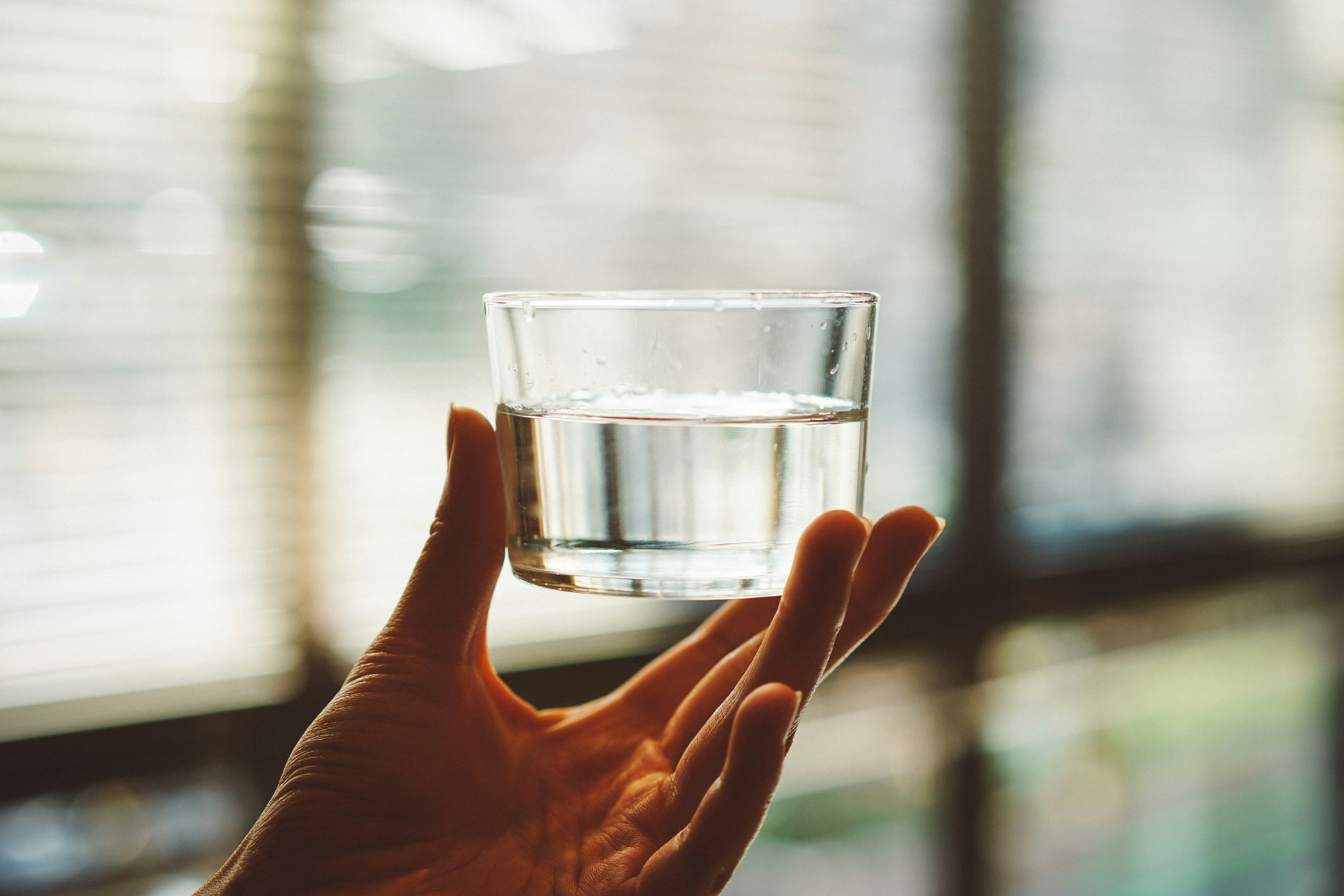
Is Rainwater Safe to Drink in Texas?
Rainwater harvesting has grown rapidly across Texas. Between recurring droughts, rising municipal water costs, and increasing interest in water independence, more homeowners are asking an important question:
Is rainwater safe to drink in Texas?
The answer is yes. Rainwater can be safe to drink when it is properly collected, stored, filtered, and disinfected. As with any drinking water source, safety depends on system design, maintenance, and local conditions.
This article explains the science, regulations, risks, and best practices behind potable rainwater harvesting in Texas. Whether you are a homeowner, installer, or simply researching options, this guide will help you understand what it takes to safely drink rainwater and how to evaluate whether rainwater harvesting makes sense for your location.
Why Rainwater Harvesting Is Growing in Texas
Texas sits at the intersection of water scarcity and water opportunity. Annual rainfall varies dramatically across the state, from less than 15 inches in far West Texas to more than 55 inches near the Gulf Coast. That variability makes rainwater harvesting both attractive and highly location dependent.
Rainwater harvesting offers several advantages:
- Reduces dependence on groundwater or municipal water supplies
- Provides drought resilience and emergency backup water
- Produces naturally soft, low mineral water
- Avoids many contaminants associated with aging infrastructure
With modern filtration systems, rainwater is increasingly being used as a primary potable water source, not just for irrigation or livestock.
What Is Actually in Rainwater?
Rainwater begins as distilled water formed by condensation in the atmosphere. As it falls and is collected, it can pick up contaminants from:
- Dust and airborne particles
- Pollen and organic debris
- Roofing materials
- Bird or small animal droppings
Most contamination does not come from the rain itself, but from the surfaces the water touches after landing, primarily the roof, gutters, and first section of plumbing.
Multiple studies show that when rainwater systems are properly designed and maintained, treated rainwater can meet or exceed drinking water standards.
Is It Legal to Drink Rainwater in Texas?
Yes. Texas is one of the most rainwater friendly states in the country.
The Texas Commission on Environmental Quality allows rainwater to be used as a potable water supply, including for indoor household use. Texas law also:
- Prevents homeowners associations from banning rainwater harvesting
- Allows rainwater systems to serve as a primary household water source
- Provides design guidance for potable rainwater systems
Private rainwater systems serving a single residence are not regulated like public water systems. This means system safety is largely the responsibility of the owner, making proper design and maintenance essential.
Source: [https://www.tceq.texas.gov/drinkingwater/rainwaterharvesting]
Is Rainwater Safer Than Groundwater?
In many parts of Texas, rainwater is actually easier to treat than groundwater.
Common groundwater challenges across Texas include:
- Hardness from calcium and magnesium
- Elevated iron and manganese
- Naturally occurring arsenic or uranium
- Hydrogen sulfide odors or high salinity
Rainwater typically contains:
- Very low dissolved solids
- No naturally occurring heavy metals
- No hardness minerals
Because of this, rainwater often requires less treatment than many private wells, especially in regions with mineralized or karst aquifers.
Health Risks of Drinking Rainwater
The primary health risks associated with rainwater are microbial rather than chemical.

Potential Risks
- Bacteria from bird or animal droppings
- Algae growth in storage tanks
- Biofilm buildup in plumbing systems
How These Risks Are Managed
Modern potable rainwater systems rely on multiple layers of protection:
- Roof material selection, with metal roofs preferred
- First flush diverters to discard the dirtiest runoff
- Pre tank filtration to remove sediment and debris
- Dark, sealed storage tanks to limit algae growth
- Post tank filtration using cartridge and carbon filters
- Disinfection using ultraviolet light, chlorination, or ozone
The Centers for Disease Control and Prevention advises that untreated rainwater should not be consumed, but properly treated rainwater can be safe for drinking.
Source: [https://www.cdc.gov/healthywater/drinking/private/rainwater-collection.html]
Filtration Requirements for Potable Rainwater
A typical drinking water rainwater system includes:
- Sediment filtration in the 5 to 20 micron range
- Activated carbon filtration for taste and organic compounds
- Final disinfection, most commonly ultraviolet treatment
UV disinfection is widely used in Texas because it:
- Does not change water taste
- Requires minimal ongoing maintenance
- Is effective against bacteria, viruses, and protozoa
Some systems also include chlorination to provide a disinfectant residual, particularly for larger homes or long plumbing runs.
How Much Rainwater Do You Actually Need?
Water quality is only half of the equation. A potable rainwater system must also provide reliable quantity.
Key factors include:
- Local rainfall history
- Roof catchment area
- Collection efficiency
- Household water demand
- Storage tank capacity
This is where many rainwater projects fail. Simple rule of thumb calculators often ignore drought years and seasonal variability, which are critical in Texas.
A best rain catchment calculator should use long term, location specific rainfall data rather than statewide averages. This allows homeowners to evaluate how a system would perform during dry years, not just average conditions.
Can Rainwater Be Your Only Drinking Water Source?
Yes. Texas allows rainwater to serve as the sole potable water source for a home, including new construction.
Many rural homes across Central Texas, the Hill Country, and West Texas already rely entirely on rainwater, often because groundwater quality is poor or unavailable.
Local building requirements may include:
- Backflow prevention if connected to municipal water
- Clear labeling of non potable lines
- Documentation of system design
Rainwater itself is not prohibited as a drinking water source.
Rainwater vs Bottled Water
Rainwater is often compared to bottled water, and the comparison surprises many people.
Bottled water is frequently:
- Sourced from municipal supplies
- Stored for long periods in plastic containers
- Rarely tested after packaging
Properly maintained rainwater systems often produce fresher water with fewer dissolved solids and no chlorine byproducts. Over time, rainwater can also be far more cost effective than bottled water.
How to Decide If Rainwater Harvesting Is Right for You
Before installing a system, consider:
- How much rain falls at your exact location
- The size and material of your roof
- Whether you want potable or non potable use
- Available space for storage tanks
- Willingness to perform basic maintenance
Answering these accurately requires more than a statewide rainfall average.
Planning a System Using Real Data
Successful rainwater systems are planned using historical rainfall records, not assumptions.
Data driven planning tools can answer questions such as:
- How often would the tank run dry
- What tank size balances cost and reliability
- How multi year droughts would affect supply
Rainwater harvesting calculators that simulate past rainfall performance provide a more defensible way to evaluate feasibility before investing in tanks, filtration, and plumbing.
Final Verdict: Is Rainwater Safe to Drink in Texas?
Yes. Rainwater can be safe to drink in Texas when systems are properly designed, filtered, disinfected, and maintained.
Texas law supports rainwater harvesting, scientific research supports its safety, and thousands of Texans rely on rainwater as their primary drinking water source today.
The key is designing systems based on real rainfall data, realistic water demand, and proven treatment methods.
Sources
-
Texas Commission on Environmental Quality rainwater harvesting guidance
[https://www.tceq.texas.gov/assets/public/comm_exec/pubs/rg/rg-445.pdf] -
Centers for Disease Control and Prevention rainwater collection and health
[https://www.cdc.gov/healthywater/drinking/private/rainwater-collection.html] -
U.S. Environmental Protection Agency drinking water standards
[https://www.epa.gov/ground-water-and-drinking-water/drinking-water-treatment] -
Texas Water Development Board rainwater harvesting manuals
[https://www.twdb.texas.gov/publications/brochures/conservation/doc/RainwaterHarvestingManual_3rdedition.pdf]